Top Infrastructure Stocks to Watch in India for 2025: Building Tomorrow’s Economy

Introduction
Infrastructure is emerging as one of the most dynamic and rapidly expanding sectors in India. This growth has been significantly fueled by the Narendra Modi government's strategic focus on bolstering the nation’s foundational framework, with substantial investments in roads, highways, renewable energy projects, metro systems, and affordable housing initiatives. Programs like Bharatmala Pariyojana and Pradhan Mantri Gati Shakti Yojana have played a pivotal role in developing extensive road networks and strengthening the country’s transport and logistics ecosystem. As India aims to transition into a $10 trillion economy by the 2030s, the infrastructure sector stands as a cornerstone for this ambitious economic transformation, attracting both government and private sector investments. With institutional and global funds increasingly backing infrastructure projects, the sector offers promising opportunities for investors eyeing long-term growth.
What exactly are infrastructure stocks?
In simple terms, these refer to the shares of companies involved in sectors like engineering, procurement, construction, roadways, highways, energy production and transmission, transportation, logistics, and warehousing. These businesses are crucial to building and maintaining the physical frameworks that support the functioning of an economy.
The Future of India's Infrastructure Sector
India's vision of becoming a global economic superpower hinges heavily on the development of its infrastructure sector. As a key driver of economic growth, the expansion of infrastructure has the potential to create a ripple effect across various industries. To realize this ambition, the Indian government is increasing its capital expenditure and positioning the country to become the third-largest construction market in the world.
Several government initiatives are unlocking massive opportunities for companies in the infrastructure space. Programs such as the National Infrastructure Pipeline, Housing for All, PM GatiShakti Cargo Terminals, and the Smart Cities Mission are just a few examples propelling India's infrastructure growth and Laying the Foundation for a Prosperous Economic Future.
Leading Infrastructure Stocks in India 2025
|
Company Name |
Market Capitalization |
P/E Ratio |
52-Week High/Low |
|
5.05LCr |
31.95 |
3,963.50 / 2,965.30 |
|
|
94.51KCr |
- |
97.00 / 67.75 |
|
|
25.01KCr |
3.83 |
61.99 / 40.51 |
|
|
16.35KCr |
24.49 |
237.70 / 134.24 |
|
|
12.09KCr |
34.69 |
349.90 / 192.40 |
|
|
10.62KCr |
317.99 |
152.74/ 68.56 |
|
|
11.33KCr |
20.53 |
255.45/ 142.20 |
|
|
Techno Electric Engineering |
15.58KCr |
33.71 |
1,822.00 / 785.15 |
|
29.56KCr |
52.05 |
130.70 / 70.80 |
|
|
22.71KCr |
37.19 |
1,313.25 / 627.45 |
Overview of Top Three Infrastructure Stocks
-
Larsen & Toubro
Larsen & Toubro Ltd. is a renowned multinational corporation that excels in delivering engineering, procurement, and construction (EPC) solutions. Operating across both domestic and global markets, the company serves vital sectors, including infrastructure, hydrocarbons, power generation, process industries, defense, and information technology. Their diverse portfolio positions them as a key player in driving innovation and development in these critical industries.
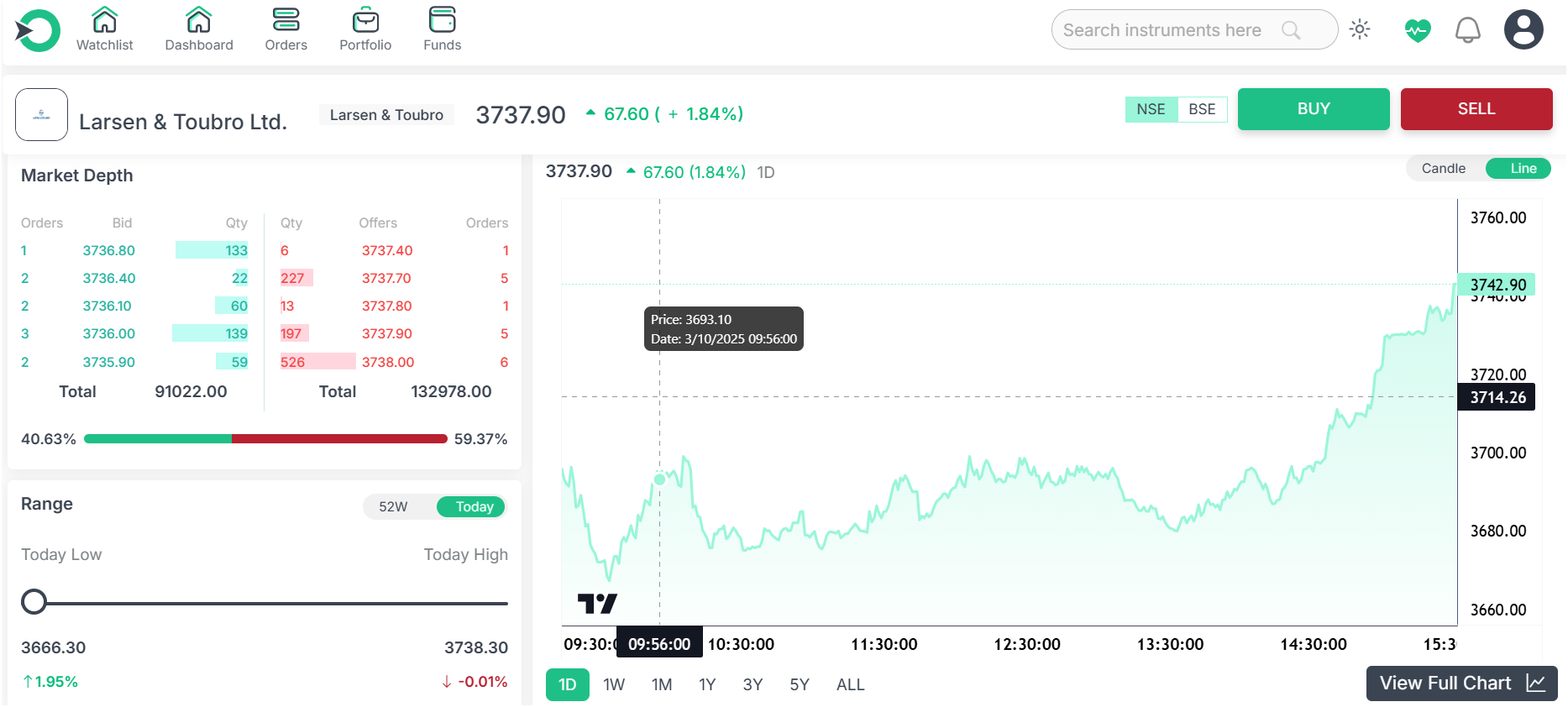
Larsen & Toubro Ltd (L&T) stands as a leading name in India’s infrastructure sector, backed by its efficient cash conversion cycle of -115.68 days and strong cash flow management with a CFO/PAT ratio of 1.12. These strengths highlight the company’s ability to effectively utilize capital and maintain liquidity. However, investors should note its relatively modest three-year revenue growth of 12.16%, significant contingent liabilities of Rs. 1,44,688.17 crore, and a premium valuation with a PE ratio of 44.26. Despite these limitations, L&T’s scale, execution capability, and financial resilience make it one of the top infrastructure stocks to watch.
-
GMR Airports Infrastructure
GMR Airports Infrastructure is engaged in the development and management of airports, power generation, coal mining, and highway construction. The company also focuses on creating special economic zones and provides Engineering, Procurement, and Construction (EPC) contracting services.
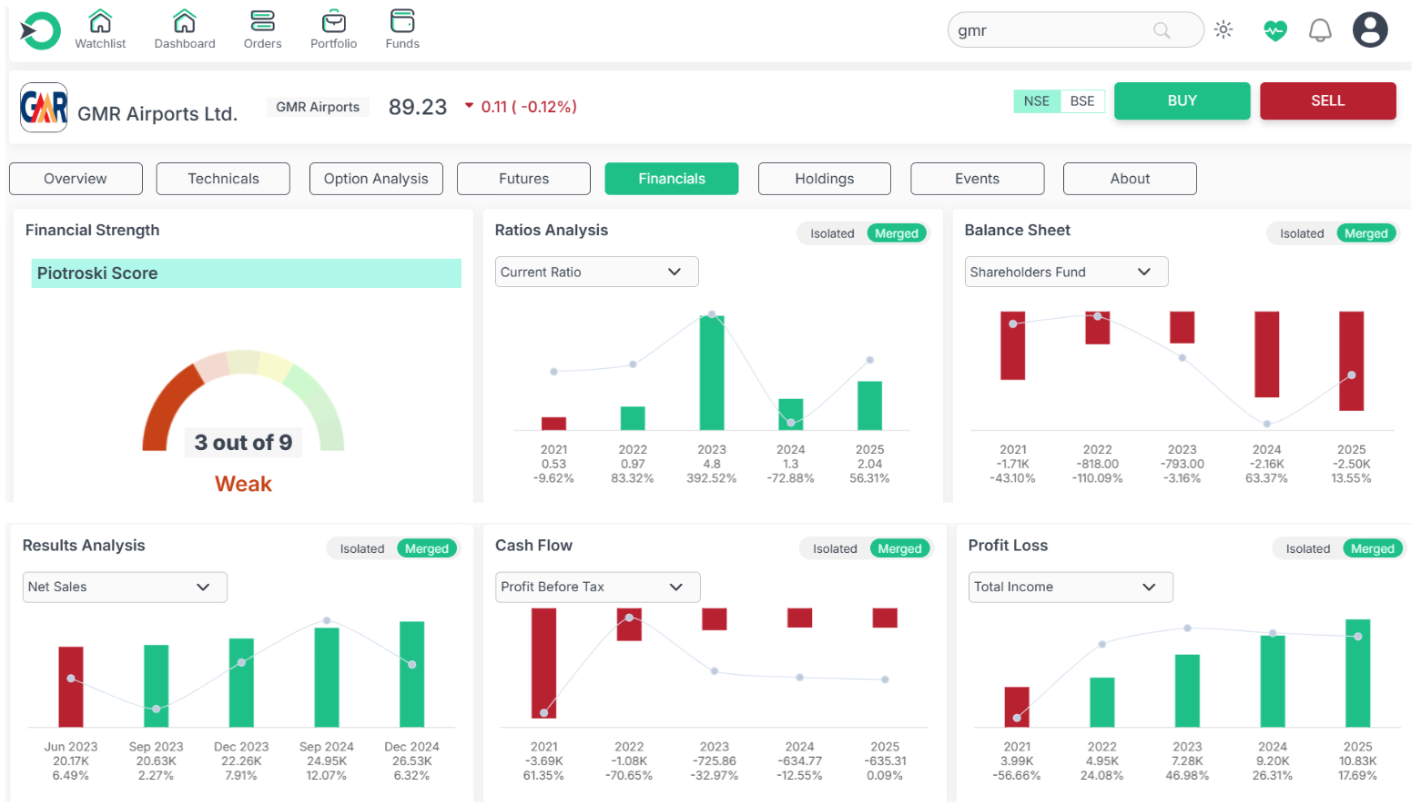
GMR Airports Infrastructure has emerged as a key player in the infrastructure space, supported by its exceptional three-year revenue growth of 218.61%, an efficient cash conversion cycle of -7,189.32 days, and a healthy liquidity position with a current ratio of 2.04. The company also benefits from a strong operating leverage with an average of 3.69, enhancing its ability to scale operations. However, it faces challenges such as poor profit growth of -7.06%, weak return ratios (ROE of -2.32% and ROCE of 0.42%), and a low EBITDA margin of -43.28% over the past five years. Its low interest coverage ratio (0.80) and high EV/EBITDA of 143.55 further reflect financial pressures. Despite these hurdles, GMR’s strategic position in the aviation sector and revenue momentum make it one of the top infrastructure stocks to consider.
-
IRB Infrastructure Developers
IRB Infrastructure Developers Ltd. is a leading Indian company specializing in infrastructure development, particularly in roads and highways. It also operates in real estate, construction, airport development, and road maintenance.
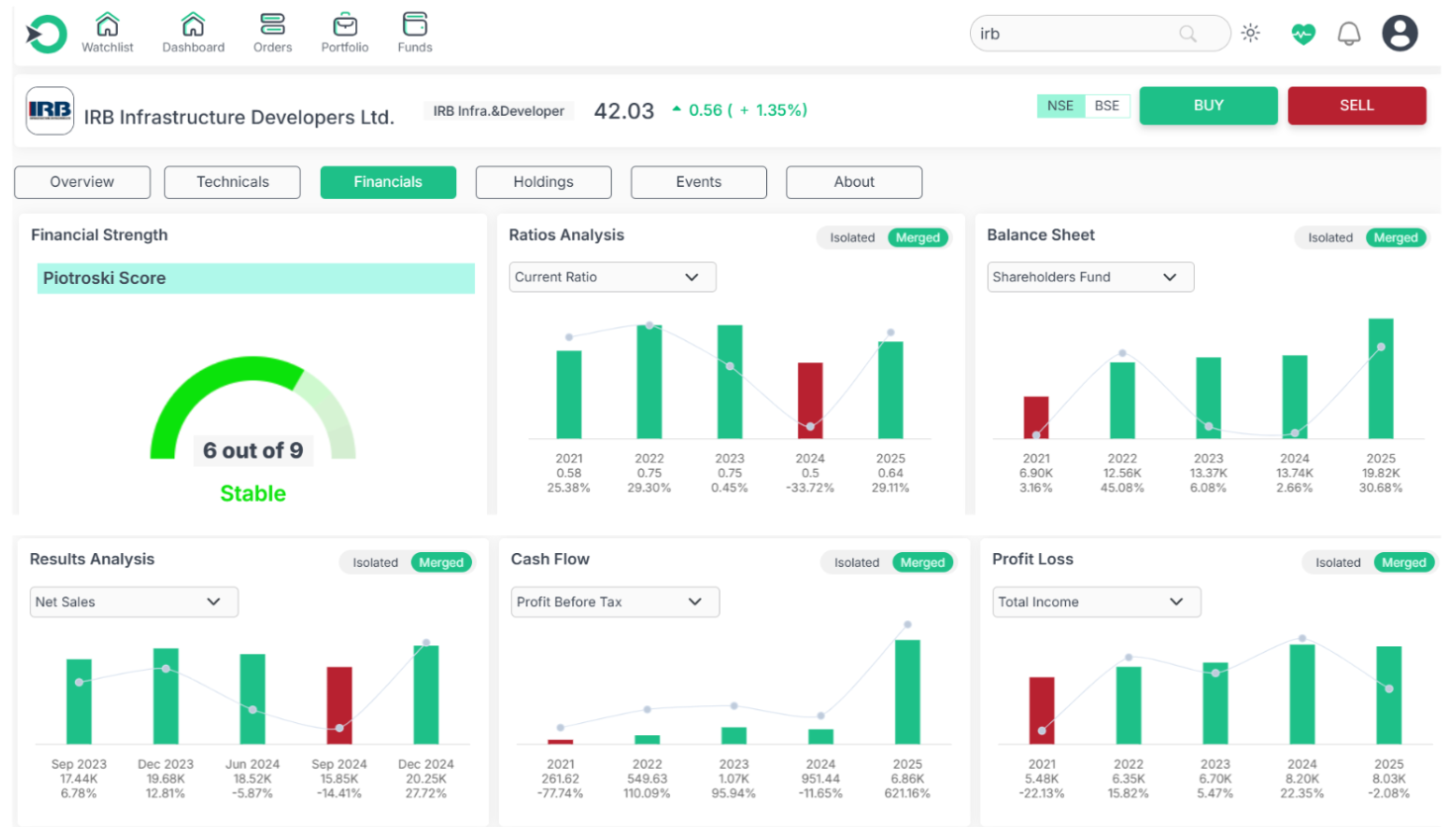
IRB Infrastructure Developers has delivered robust performance in recent years, with profit growth of 159.90% and revenue growth of 24.88% over the past three years. The company maintains a healthy interest coverage ratio of 11.03, a highly attractive PEG ratio of 0.01, and an efficient cash conversion cycle of 38.09 days. Additionally, its strong operating leverage, averaging 21.90, highlights its ability to amplify earnings growth. While the low tax rate of 3.42% is a limitation, it also signals scope for normalization in the future. Overall, IRB’s strong growth metrics and operational efficiency make it one of the top infrastructure stocks to watch.
What are Infrastructure Systems and Selecting the Best Stocks
Infrastructure systems are generally categorized into three types: soft, hard, and critical. Soft infrastructure consists of essential services like financial institutions, law enforcement, and educational systems that facilitate smooth operations without requiring heavy capital investment. Hard infrastructure involves physical structures such as highways and roads, which are crucial for supporting industrial and economic activities. Critical infrastructure includes sectors like energy, telecommunications, and public health, which are indispensable for a nation's fundamental functioning.
When choosing the best infrastructure stocks for 2025, investors should focus on both capital growth and income potential. It's important to consider a company's market position, growth prospects, and the regulatory framework under which it operates. The quality of management is equally vital, with attention to governance, strategic direction, and operational efficiency. Order execution is another key factor—companies must deliver projects on time and efficiently, as delays can result in costly penalties. Finally, financial health should be assessed by reviewing metrics like the debt-to-equity ratio and cash flow to ensure long-term stability and profitability. By keeping these factors in mind, investors can make informed decisions in the growing infrastructure sector.
Key Factors to Remember Before Investing in Infrastructure Stocks
Before investing in infrastructure stocks in India, several factors should be evaluated. Growing economies typically benefit infrastructure stocks, so it is important to assess the country’s economic outlook, especially in regions experiencing rapid urbanization. Government policies also play a vital role, as regulatory environments and infrastructure budgets can greatly affect stock performance.
When evaluating a company’s financial health, reviewing its stability, profitability, and debt levels is essential. Investors should also consider the company's long-term potential by examining current and upcoming projects. Infrastructure investments often require a long-term commitment, as projects take time to materialize and can offer steady income through dividends. However, infrastructure projects can be cyclical and sensitive to political and economic changes, so it is crucial to consider these risks.
How to Invest in the Top Infrastructure Stocks in India
Investing in top infrastructure stocks in India involves researching companies with strong fundamentals in construction, energy, transportation, and urban development. Look for firms with solid financial performance and significant government contracts. Alternatively, consider diversified mutual funds or exchange-traded funds (ETFs).
To simplify your investment journey, use the Enrich Money trading platform and its Orca app, which offer valuable tools and resources for informed decision-making. Stay updated on industry trends and government policies, and remember to diversify your portfolio while seeking personalized guidance from a financial advisor.
Conclusion
Infrastructure companies are instrumental in driving India’s growth and development, making infrastructure stocks an attractive investment opportunity. By carefully selecting the right stocks, investors can achieve significant long-term returns and build financial security. Understanding market demand, government policies, company fundamentals, and long-term growth potential is key to making informed decisions in the infrastructure sector. With the right approach, infrastructure investments can become a valuable component of your financial strategy.
Maximize your returns on top infrastructure stocks in India with Enrich Money, a reliable trading platform offering seamless research tools and expert insights to guide your investments.
Frequently Asked Questions
-
What is Infrastructure Investment?
Infrastructure investment involves funding essential sectors that drive economic growth, particularly in emerging economies like India. As India targets a $5 trillion economy by 2027, investors can benefit by buying shares in top companies with strong long-term potential and steady profit growth.
-
Is Infrastructure a Safe Investment?
Infrastructure investments are generally considered safe for the long term, typically over five years. Due to the capital-intensive nature of the sector and its long development cycles, these investments may experience short-term fluctuations. Thus, a long-term perspective is advisable for potential investors.
-
How Can I Identify the Best Infrastructure Stocks in India?
To identify the best infrastructure stocks in India, focus on companies with strong order books and low debt levels. A healthy order book suggests long-term viability, while manageable debt indicates financial stability. Diversification across projects also helps companies remain resilient during sector-specific downturns.
-
Is Now a Good Time to Invest in Infrastructure Stocks in India?
Yes, now is a great time to invest in India’s infrastructure sector, as leading stocks are expected to deliver strong long-term returns.
-
What Risks Are Involved in Investing in Infrastructure Stocks in India?
Investing in infrastructure stocks in India carries risks like high debt and project delays. Companies in this capital-intensive sector can accumulate significant debt, making it difficult to meet financial obligations. Moreover, delays due to legal or political issues can impact project timelines, requiring careful risk management.
Disclaimer: This blog is dedicated exclusively for educational purposes. Please note that the securities and investments mentioned here are provided for informative purposes only and should not be construed as recommendations. Kindly ensure thorough research prior to making any investment decisions. Participation in the securities market carries inherent risks, and it's important to carefully review all associated documents before committing to investments. Please be aware that the attainment of investment objectives is not guaranteed. It's important to note that the past performance of securities and instruments does not reliably predict future performance.