Stocks with High Entry Barriers in India: Top Moat Businesses for Long-Term Wealth Creation

It is a common feature in investing that firms with competitive advantage tend to provide better returns. Some of the best investments are the ones where there are stocks with high entry barriers in India, where new players cannot come because of approvals, huge capital, network effect, technology, or government protection.
The firms enjoy pricing power, steady cash flows, and higher profits than average firms. Not all monopoly stocks become multibaggers; however, many firms which have created great wealth for investors in India come from sectors with naturally low competition.
In this article, we will discuss the best stocks with high entry barriers in India along with their business strength and risk profile. Experience seamless investing in India's top moat stocks with the powerful MCX trading app India, enabling you to access high-entry barrier stocks and capitalize on long-term wealth creation.
What Are Stocks With High Entry Barriers in India?
Barriers to entry are things that stop new firms from joining an industry.
Some of these barriers are:
-
Licenses and approvals
-
High investment in infrastructure
-
Monopoly by the government
-
Network effects
-
Technology and intellectual property
-
Control over distribution channels
-
Switching costs for customers
Such firms usually have strong market positions and steady growth in profits.
Why Investors Prefer Stocks With High Entry Barriers in India
Investors are always looking for stocks with high entry barriers in India, since these firms usually have:
-
Good ability to retain market shares
-
Good profit margins
-
Good returns on capital
-
Low competitive threat
-
Visions of profits for a long period of time
-
Good cash flow
Most of the best monopoly stocks in India have earned many shareholders through these benefits over many years.
Types of Entry Barriers in India
1. Regulatory Barriers
These include industries like stock markets, depository systems, railway systems, and defence equipment production.
2. Capital Intensive Barrier
These are businesses which require investment running into thousands of crores before becoming operational.
3. Network Effect
As a platform attracts more participants, its usefulness and market position strengthen, making it increasingly challenging for new competitors to acquire customers.
4. Brand Loyalty
Powerful brands are known to enjoy customer loyalty and pricing power for years and years.
5. Infrastructure Moat
The larger the network physically, the harder it is to replicate it.
Best Stocks With High Entry Barriers in India
1. Indian Railway Catering And Tourism Corporation Ltd.
Business
IRCTC handles the business of Indian railways related to railways’ ticketing, catering, tourism, and Rail Neer.
Existence of Entry Barrier
-
Authorization from Indian Railways exclusively
-
Monopoly in railway ticket booking through internet
-
Huge number of customers
-
Business with government support
IRCTC is still considered as one of the major monopoly shares in India.

Risks
-
Involved in government
-
Subject to regulations
-
Pricing constraints
Peer Comparison
|
Metric |
|||
|
Business Type |
Railway Monopoly |
OTA |
OTA |
|
Competitive Intensity |
Very Low |
High |
High |
|
Margin Stability |
High |
Medium |
Medium |
Investor View
IRCTC is still a very unique infrastructure company in the digital sphere. But the biggest threat will be from the government’s policies.
2. Central Depository Services (India) Ltd.
Business
The Central Depository Services Limited offers demat account services and maintains securities' details.
Reason for Existence of Entry Barrier
-
Two depositories exist in India
-
An SEBI-regulated industry
-
Highly integrated with the brokers and stock exchanges
-
Switching costs are high
CDSL enjoys one of the best regulatory moats in Indian capital market and has become a key player amongst those stocks with high entry barriers in India .

Growth Drivers
-
Growth in retail participation
-
IPO growth
-
Financialization of savings
Peer Comparison
|
Metric |
NSDL (Upcoming Listed Entity) |
|
|
Retail Presence |
Higher |
Lower |
|
Growth Rate |
Faster |
Moderate |
|
Market Position |
Dominant Retail Player |
Institutional Focus |
Investor View
As the financialization process in India proceeds, CDSL is one of the best infrastructure companies in the capital market ecosystem.
3. Computer Age Management Services Ltd.
Business
Computer Age Management Services offers registrar and transfer agency services to mutual funds.
Reason for High Entry Barrier
-
High level of integration with fund houses
-
Regulatory approval
-
Big transaction platform
-
High switching costs

CAMS owns an overwhelming market share of the mutual fund servicing industry in India and is considered to be one of the best stocks with high entry barriers in India in financial infrastructure domain.
Peer Comparison
|
Metric |
||
|
MF Market Share |
Higher |
Lower |
|
Profitability |
Higher |
Moderate |
|
Switching Costs |
Very High |
High |
Investor View
CAM S provides an innovative mechanism to participate in the growing Indian mutual funds sector without being exposed to any market risk.
4. GMR Airports Ltd.
Business
GMR Airports is the largest private airport operator in India, operating important airports such as Delhi, Hyderabad, Goa (Mopa), and other international airports.
Reason for High Barrier to Entry
-
Very high capital expenditures required
-
Airport licenses and government concessions
-
Long process of approval and development
-
Low availability of airport sites
-
High regulatory scrutiny
-
Network effect due to passenger flow and commercial activity
It is perhaps one of the toughest businesses to enter since it involves heavy capital expenditure, long period of approvals, land acquisition, and operational experience. Concessions granted to airport operators typically range between 30 and 60 years, offering solid competitive advantage.

Drivers of Growth
-
Passenger traffic growth in Indian aviation industry
-
Privatization of airports
-
Non-aeronautical revenue sources (retail, duty-free, advertising)
-
Urbanization
GMR operates 27-28% of passenger traffic in India via its airports, making it one of the most robust moat infrastructure businesses in India.
Risk
-
High debt
-
Government tariffs review
-
Economic slowdown and lower passenger traffic
Peer Comparison
|
Metric |
Adani Airports |
|
|
Listed Entity |
Yes |
No |
|
Airport Portfolio |
Large |
Large |
|
Growth Visibility |
Strong |
Strong |
Investor View
The aviation sector in India is likely to continue growing at a fast pace and thus be beneficial for airport operators.
5. Multi Commodity Exchange Of India Ltd.
Business
Multi Commodity Exchange has a monopoly in the trading of commodities derivatives in India.

Why there is an entry barrier
-
Regulatory Approvals
-
Liquidity in the market
-
Participant ecosystem
MCX is a leader in commodities and is often included in the list of monopoly stocks in India.
Peer Comparison
|
Metric |
NSE Commodity Segment |
|
|
Commodity Market Share |
Dominant |
Smaller |
|
Liquidity |
Superior |
Lower |
|
Network Effect |
Strong |
Moderate |
Investor View
MCX directly gains from rising engagement in the commodity markets.
6. Coal India Ltd.
Business
Largest coal producer in India
Why Entry Barrier exists?
-
Availability of coal deposits
-
Government support
-
Licenses for mining
-
High capital needs

Coal India dominates more than half of coal production in the country, which makes it a very difficult competitor to beat.
Peer Comparison
|
Metric |
||
|
Market Share |
Much Higher |
Lower |
|
Resource Base |
Massive |
Limited |
|
Dividend Yield |
Higher |
Moderate |
Investor View
Coal India continues to be an ideal investment for yield-based investors regardless of long-term issues regarding renewables.
7. Hindustan Aeronautics Ltd.
Business
Produces fighter jets, helicopters, and defence systems.
Reasons for Existence of Barrier:
-
Defence qualifications
-
Governmental contracts
-
Technical knowledge
-
Security of the country
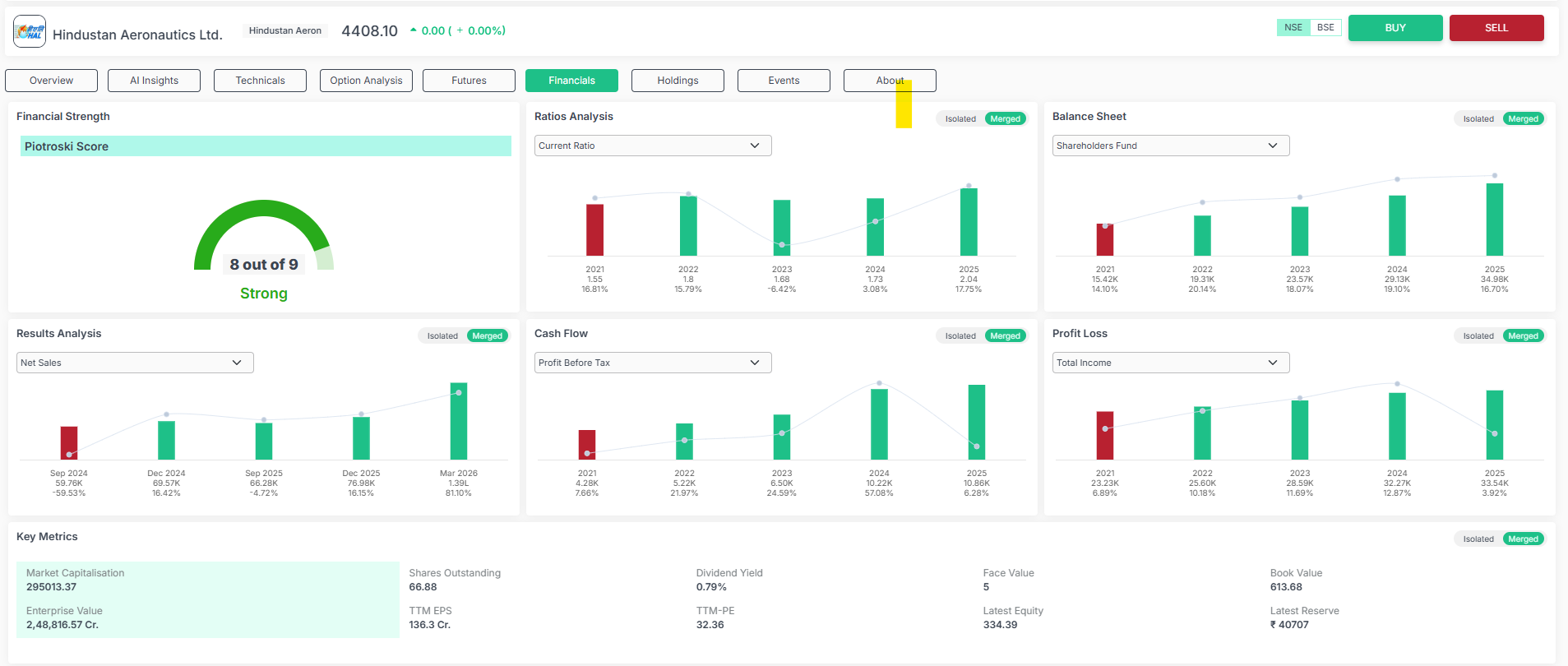
HAL is one of the best cases of government protected business for a stocks with high entry barriers in India
Peer Comparison
|
Metric |
||
|
Aircraft Manufacturing |
Yes |
No |
|
Defence Focus |
High |
High |
|
Order Visibility |
Strong |
Strong |
Investor View
HAL is among the most significant gainers in India's indigenisation policy in defence.
8. Pidilite Industries Ltd.
Business
Manufacturer of Fevicol and industrial adhesives.
Reason for Existence of Entry Barrier
-
Brand Equity
-
Distribution Power
-
Dealer Network
-
Customer Trust
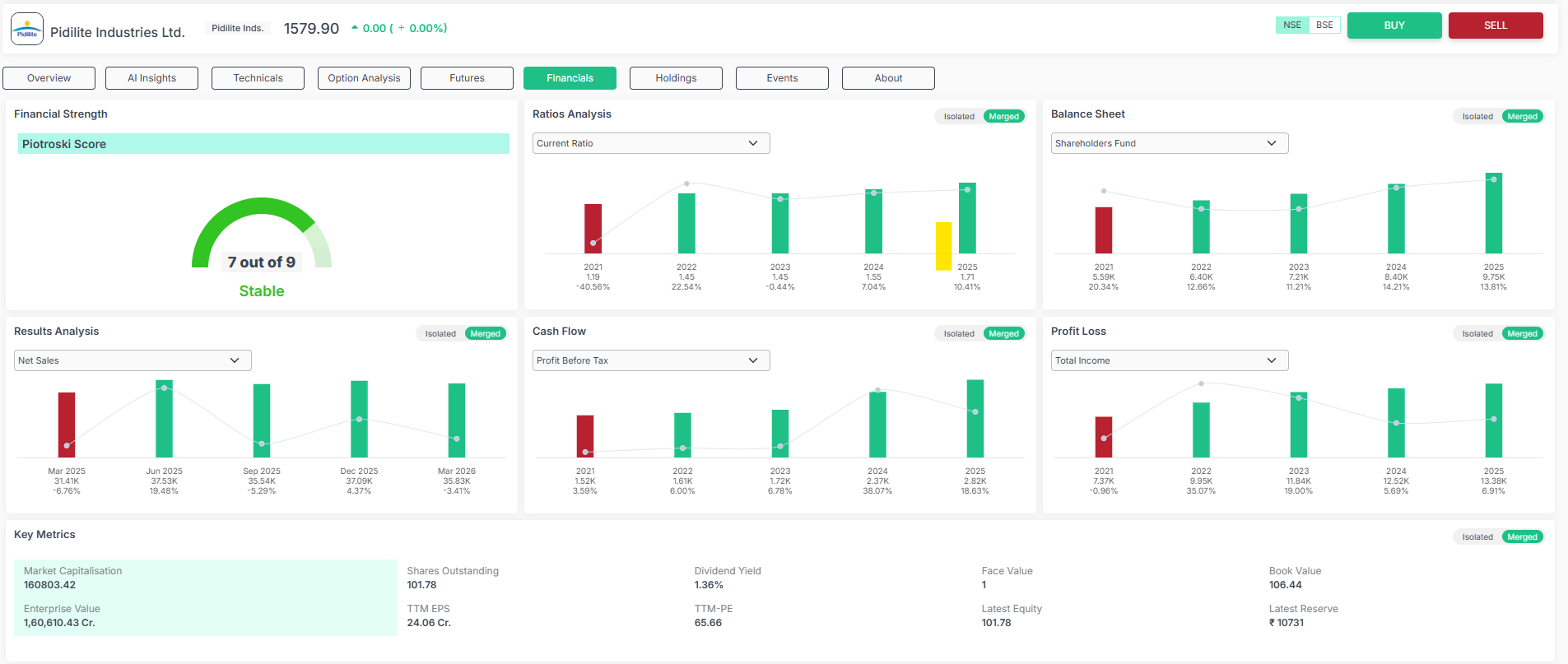
Pidilite is an example to prove that brand power can act as strong barriers as regulations.
Peer Comparison
|
Metric |
||
|
Adhesive Leadership |
Dominant |
Limited |
|
Brand Recall |
Exceptional |
Moderate |
|
Distribution Reach |
Wider |
Smaller |
Investor View
Pidilite continues to be a classic compounder from urbanization and construction development.
9. Indian Energy Exchange Ltd.
Business
India’s largest electricity trading platform.
Reason for Barriers to Entry
-
Network effects
-
Regulatory clearances
-
Liquidity concentration
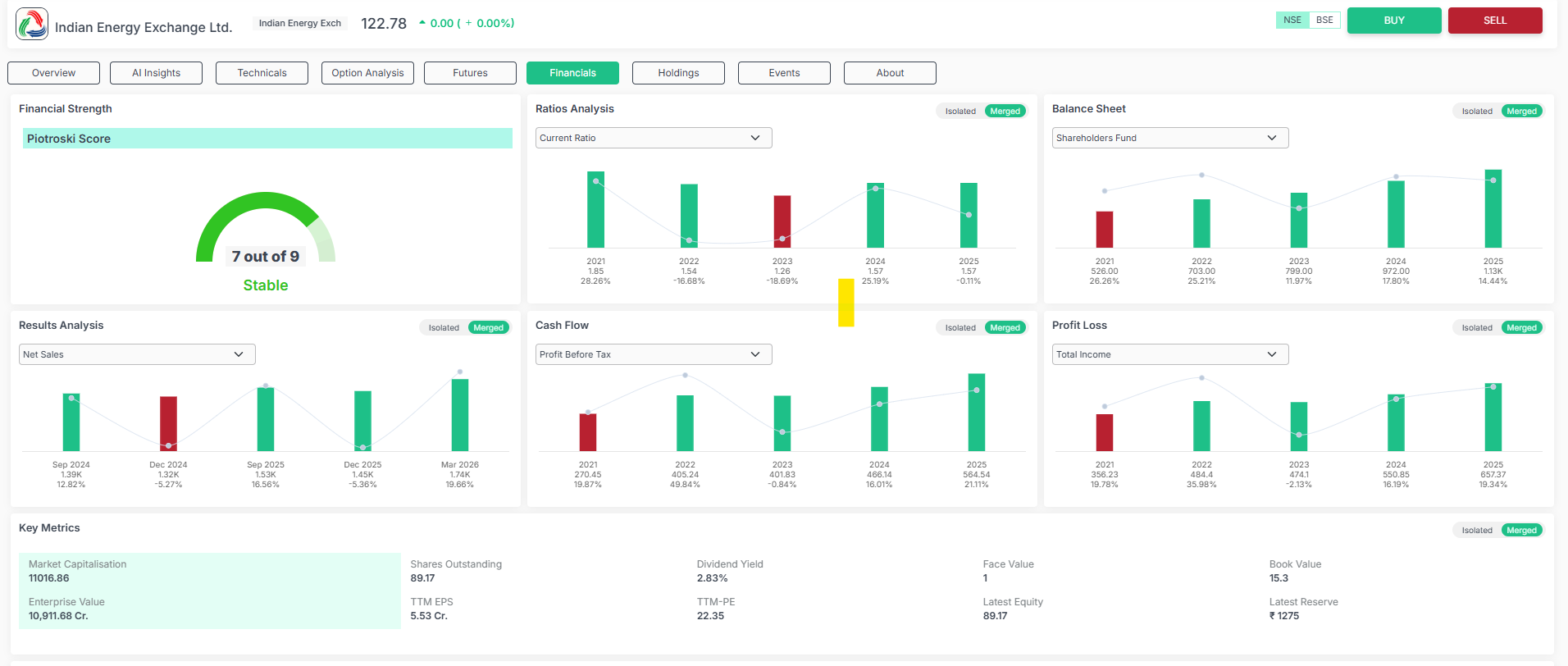
The platform becomes even harder to compete against as the number of buyers and sellers increases.
Peer Comparison
|
Metric |
PXIL |
|
|
Market Share |
Dominant |
Smaller |
|
Liquidity |
Higher |
Lower |
|
Profitability |
Higher |
Lower |
Investor View
Regulations about market coupling continue to pose a risk although long-term electricity demand growth favours the thesis.
10. Hindustan Zinc Ltd.
Business
Leading integrated zinc producer in India.
Why Entry Barrier is There
-
Mining assets
-
Ownership of resources
-
Capital intensive operations
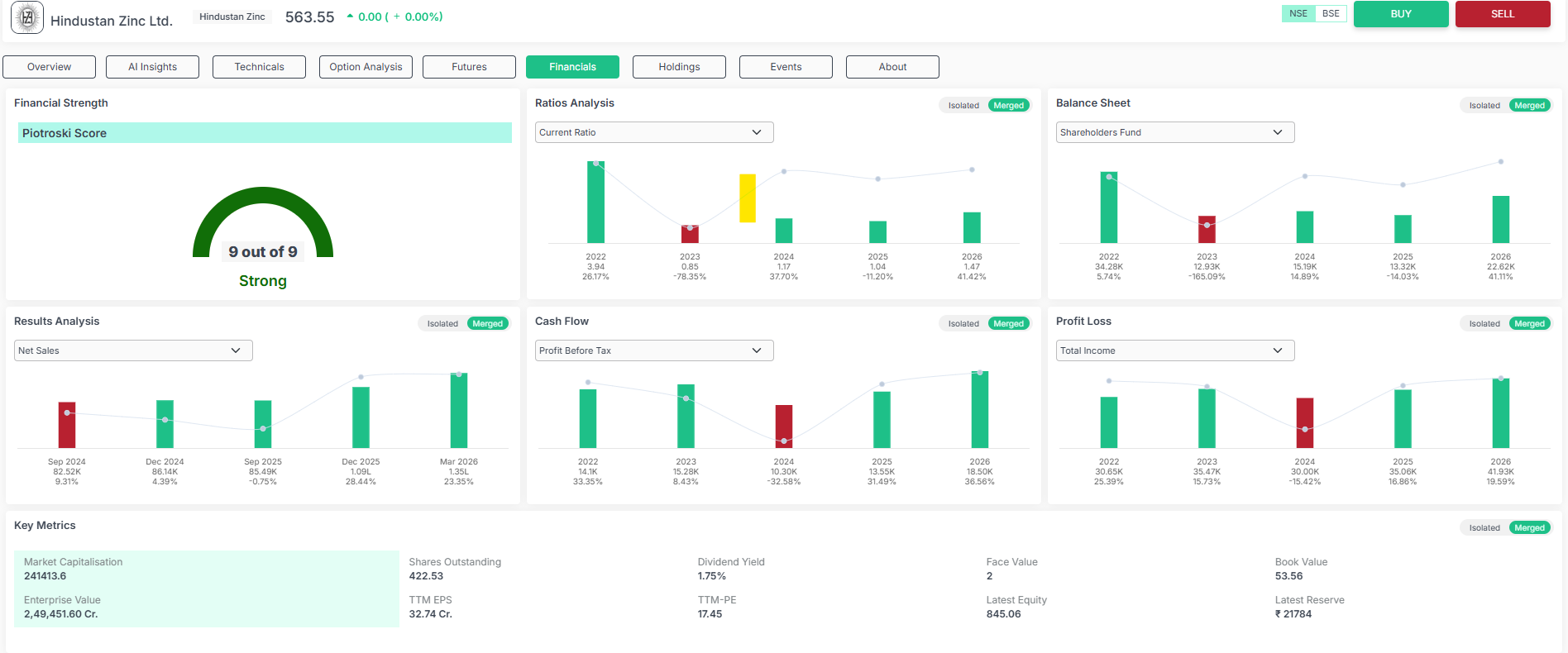
Hindustan Zinc still enjoys competitive advantage through its scale and resources.
Peer Comparison
|
Metric |
||
|
Zinc Leadership |
Higher |
Lower |
|
Cost Position |
Better |
Moderate |
|
Dividend Potential |
Strong |
Moderate |
Investor View
The business provides exposure to commodities, dividend yield, and resource ownership.
Comparative Analysis : 10 Monopoly Stocks in India With Strong Moats
These are the top stocks with high entry barriers in India that that have a strong competitive advantage because of their strong position in the market, favourable regulations, network effects, infrastructure ownership, and technical superiority.
|
Stocks |
CMP (Rs.) |
P/E |
ROCE (%) |
Qtr. Sales Growth (%) |
Qtr. Profit Growth (%) |
|
4,408 |
32.34 |
31.96 |
1.77 |
5.52 |
|
|
451 |
8.94 |
35.34 |
22.91 |
12.86 |
|
|
564 |
17.43 |
69.25 |
49.19 |
67.91 |
|
|
1,580 |
65.39 |
30.97 |
14.08 |
32.82 |
|
|
109 |
552.53 |
11.65 |
37.54 |
203.18 |
|
|
2,804 |
53.69 |
71.37 |
205.13 |
291.09 |
|
|
520 |
30.10 |
46.09 |
15.07 |
-0.44 |
|
|
1,370 |
62.79 |
31.97 |
17.11 |
-20.03 |
|
|
823 |
42.92 |
49.03 |
10.96 |
10.88 |
|
|
123 |
23.11 |
51.79 |
21.94 |
10.69 |
HAL remains the strongest defence monopoly, benefiting from India's indigenization push and a massive order book. CDSL, CAMS, and MCX continue to dominate their respective financial market ecosystems through network effects and regulatory barriers.
IEX remains a key power-market platform, while Pidilite Industries enjoys unmatched brand leadership in adhesives. Coal India and Hindustan Zinc offer attractive valuations with strong cash generation and industry dominance. GMR Airports represents a developing infrastructure moat as passenger traffic continues to expand. Start a trading account today to explore market-leading companies like HAL, CDSL, MCX, and Coal India that benefit from strong competitive moats, industry dominance, and long-term growth potential.
Key Takeaways for Investors
For investors seeking stocks with high entry barriers in India, HAL appears the most attractive in 2026 due to its strong defence moat, earnings visibility, and long-term growth potential. MCX, CDSL, and CAMS offer scalable asset-light business models, while Hindustan Zinc and Coal India provide value-oriented opportunities. A balanced portfolio of monopoly businesses combining growth, profitability, and durable competitive advantages can potentially create superior long-term shareholder returns.
Small Cap Monopoly Stocks in India
Some investors looking for small cap monopoly stocks in India could look at:
Such firms are monopolies in specialized sectors where either technological skill, size, or market power makes it difficult for new entrants.
Upcoming Monopoly Stocks in India
The following are examples of potential stocks for future monopolies that can be identified in India:
-
Military manufacturing
-
Data center facilities
-
Semiconductor industry
-
Equipment for renewable energy generation
-
Financial digital infrastructure
Firms creating dominance in such areas at present may become stocks with high entry barriers in India in the coming decade.
Undervalued Monopoly Stocks in India
Identifying undervalued monopoly stocks in India involves considering both valuation and business strength.
Investors usually seek:
• Temporary earnings slowdowns
• Regulatory issues
• Market corrections
• Sector-wide pessimism
Examples of companies that experience such situations occasionally include IRCTC, CAMS, CDSL, and Coal India, which continue to possess good competitive strengths.
Key Risks of Monopoly and High-Barrier Stocks
Even the best and most solid stocks with high entry barriers in India have some risks:
-
Regulation
-
Innovation
-
Changes in policy
-
Overtopping
-
Transformations in industry
Good entry barriers cannot provide good returns on stocks when investors pay too much for expected growth.
Conclusion
Stocks with high entry barriers in India provide a rare chance to invest in companies that benefit from regulatory licenses, infrastructure control, capital intensive nature, technical knowledge, and strong positioning in the market. Companies like HAL, CDSL, CAMS, MCX, IRCTC, and Coal India have created an enduring competitive advantage that is hard for any new entrant to mimic. Although valuation issues, policy changes, and industry disruptions continue to play significant roles, these businesses tend to give investors more visibility on earnings and wealth creation in the long term. This could be done through learning about companies with high fundamental moat as provided by top stock brokers in India.
Frequently Asked Questions
What are stocks with high entry barriers in India?
Stocks with high entry barriers in India are the ones that are present in the industries which have regulations, capital requirements, technology or even market dominance.
Why do investors prefer stocks with high entry barriers in India?
Investors prefer stocks with high entry barriers in India since they usually offer steady incomes, pricing power and growth.
In which industries are there maximum stocks with high entry barriers in India?
Some industries where maximum stocks with high entry barriers in India can be found are defence, financial infrastructures, mining, airports, railways and energy exchanges.
Are stocks with high entry barriers in India monopolies?
No, stocks with high entry barriers in India might work in duopoly or oligopoly situations and still possess strong competitive advantage.
What are the risks associated with stocks with high entry barriers in India?
They include changes in regulations, changes in technology and even overvaluations.
Disclaimer: This blog is dedicated exclusively for educational purposes. Please note that the securities and investments mentioned here are provided for informative purposes only and should not be construed as recommendations. Kindly ensure thorough research prior to making any investment decisions. Participation in the securities market carries inherent risks, and it's important to carefully review all associated documents before committing to investments. Please be aware that the attainment of investment objectives is not guaranteed. It's important to note that the past performance of securities and instruments does not reliably predict future performance.